
A shipping marketplace that reads the market's email and answers with freight.
The problem
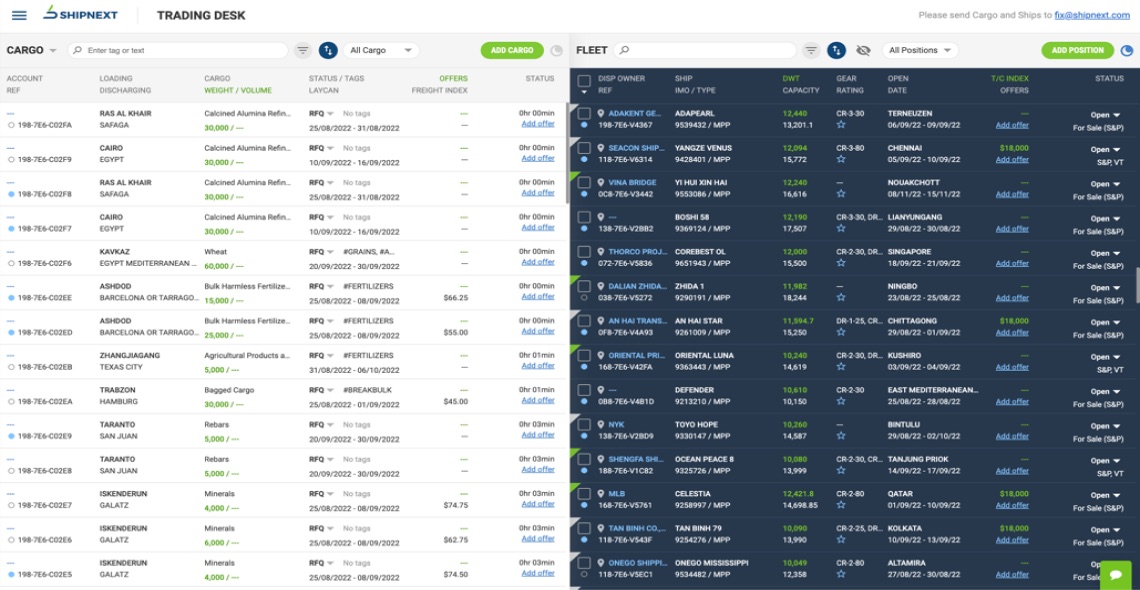
Chartering still runs on email. Cargo enquiries and open fleet positions arrive as free text — thousands a day, in every format a broker can type — and someone has to read each one, understand the cargo, the dates and the ports, then find the ship that fits.
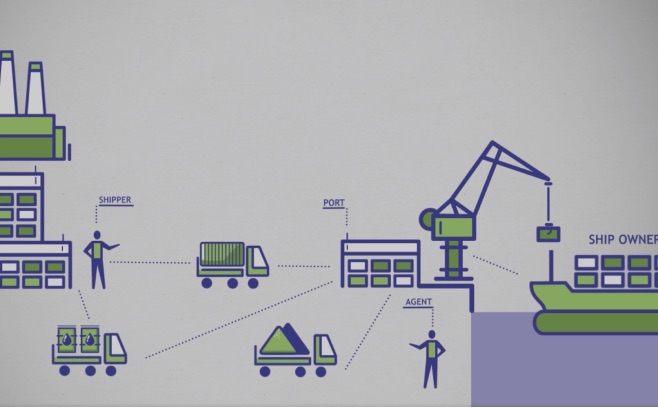
The matching problem underneath it is not a search box. It is stowage, distance, port restrictions and freight economics across dry-bulk, wet-bulk, break-bulk, oversized cargo, steel and containers.
What we built
Email and document processing
Incoming cargo enquiries and fleet positions are parsed automatically out of plain email — cargo, quantity, laycan, ports and terms extracted as structured data.
Instant cargo-to-ship matching
Matching runs over open positions using natural language processing, machine learning and linear programming, with real-time data drawn from more than 85 databases.
Freight trading and negotiation
Open and closed freight tendering, reverse auctioning, negotiation threads and contract management in one place.
Estimation and tracking
Stowage and freight estimations, the SHIPNEXT freight index, cargo and ship tracking, and daily ship positions.
Documents and settlement
Digital documentation flow, electronic bill of lading and smart contracts, plus freight finance and supply-chain management.
The platform today
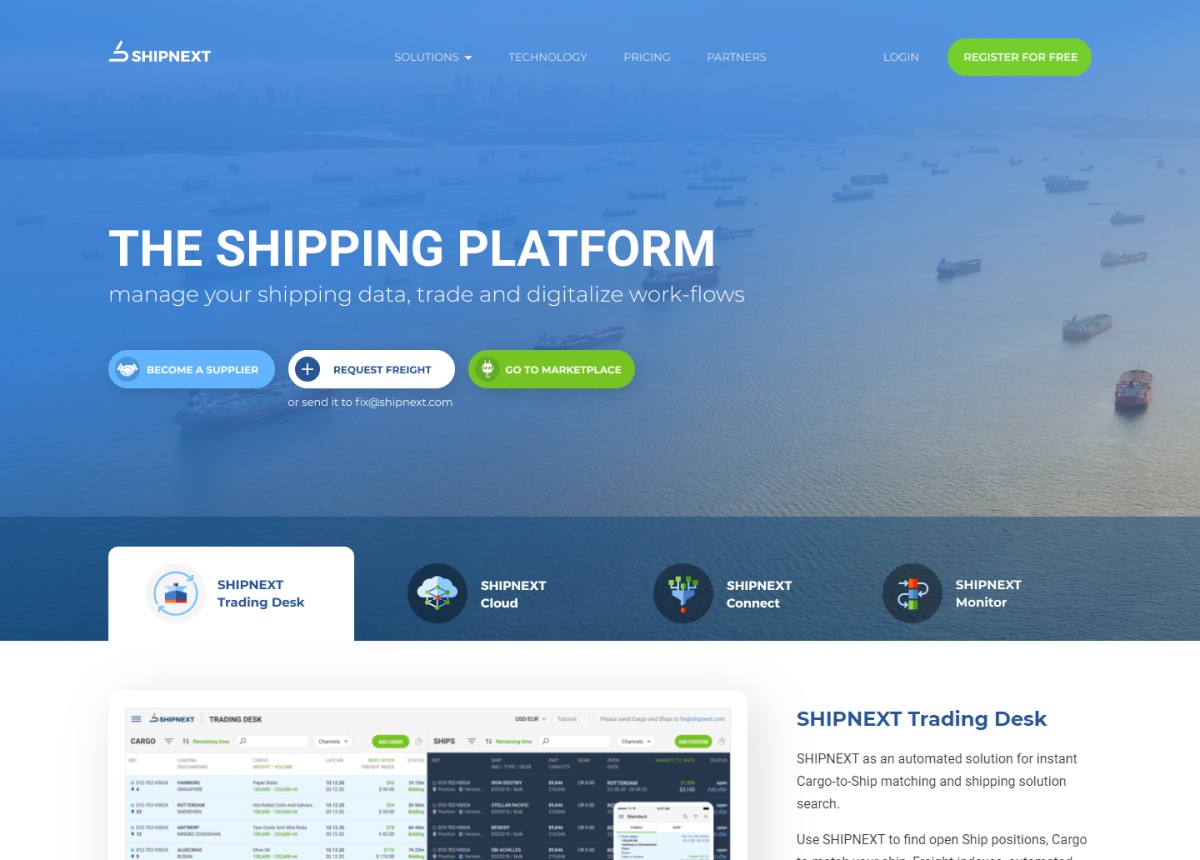
Trading Desk
Cargo-to-ship matching, solution search and freight negotiations across breakbulk, dry-bulk, wet-bulk and containers.
Cargo Monitor
Every cargo enquiry the company touches, stored, structured and searchable.
Fleet Monitor
Open fleet positions and daily ship positions, kept current.
Exchange
Tendering and reverse auctioning between shippers, brokers and carriers.
Documents
Digital documentation flow, electronic bill of lading and smart contracts.
Ports
Port data, restrictions and distances feeding the matching engine.